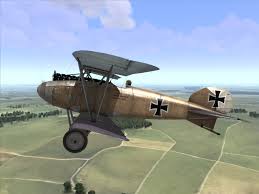
Germany · Fighter · 1917-1918
Albatros D.III
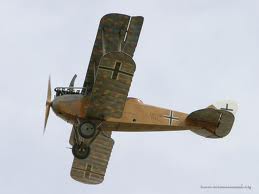
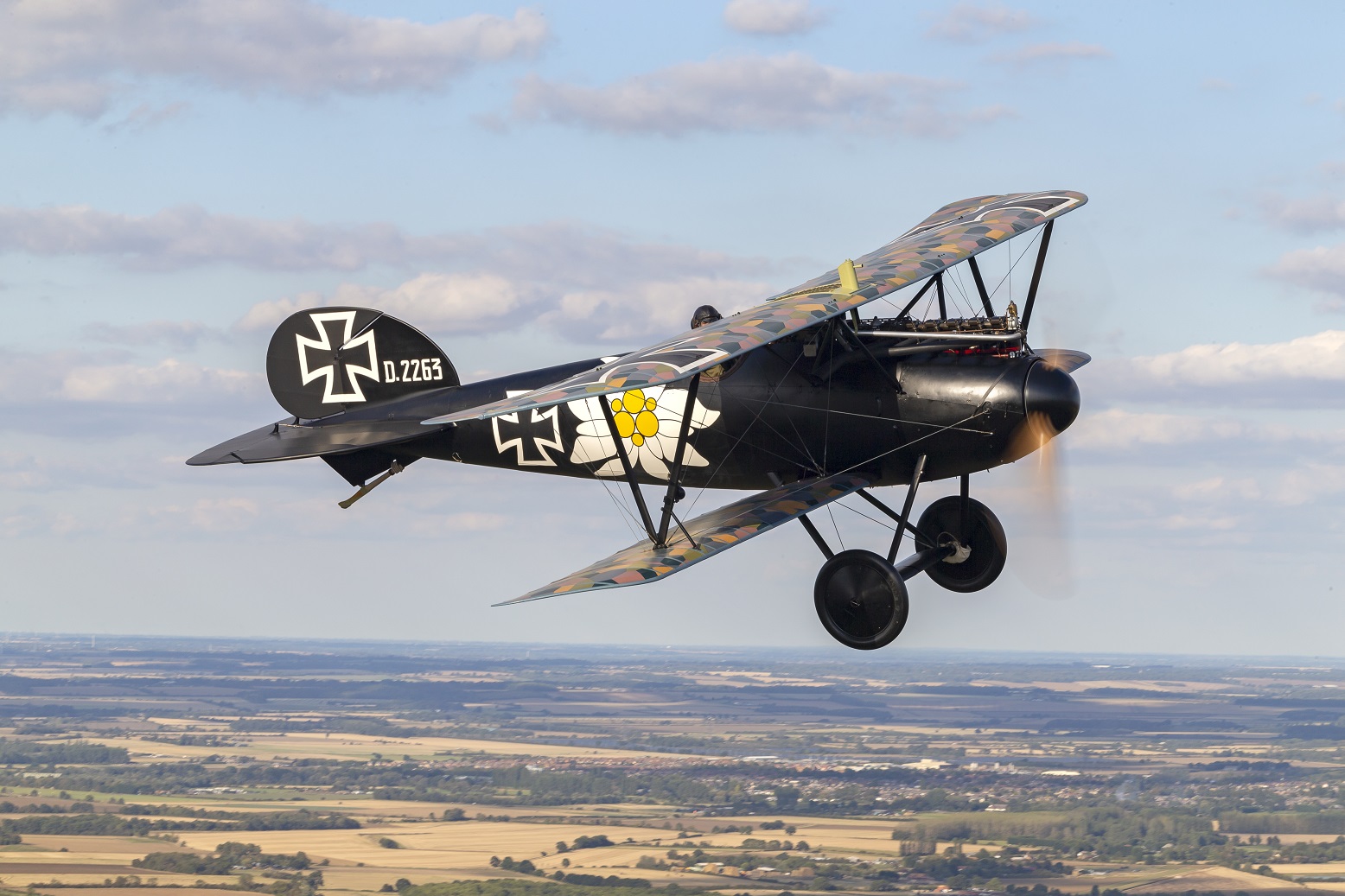
The Albatros D.III deserves to rank amongst the great fighting aeroplanes of World War One. In the hands of its pilots it became a deadly instrument that would regain air superiority over the Allies in early 1917 – a period known as ‘Bloody April’. The appearance of the French Nieuport ‘Vee’-strutters over Verdun swayed German aircraft designers – including Albatros. They re-designed the D.II to incorporate a similar configuration but it came at a price. Structural wing failures dogged the Albatros D.III for much of its career, yet top German pilots were enthusiastic, praising its high-end performance and forgiving characteristics. With the D.III beginning to equip Front-line units, the hard-pressed RFC bore the brunt and losses mounted. Once again, control of the air over the Western Front belonged to the German fliers.