1916-1917
Bloody April
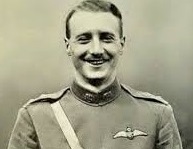
In early April Trenchard’s RFC fliers went on the attack. It had been planned that by this time B.E.2s in front-line service would have been replaced by Royal Aircraft Factory R.E.8s and Armstrong Whitworth F.K.8s, but delivery of these types was initially slower than hoped. This situation culminated in what became known as “Bloody April“, with the RFC losing 60 B.E.2s during that month. Four days prior to the Arras offensive, six brand new Bristol F2a fighters of No.48 Squadron, the first of their type to arrive in France, crossed the lines, led by Captain William Leefe Robinson VC (awarded the prestigious medal for shooting down a German airship over Britain the previous year). Unused to their new aeroplanes, and not yet au fait with the Bristols’ inherently fine qualities, the squadron adopted standard two-seater defensive tactics when intercepted by Jasta 11’s Albatros fighters under command of their newly-appointed leader Manfred von Richthofen. Despite putting up valiant resistance, four of the Bristols were shot down, Robinsons included. The remaining machines limped home badly shot up. It was an ignominious debut for the Bristol but once crews learned to fly it aggressively, as the fighter was designed to be, the improved F2b version would emerge as the best two-seater of the war. The intensity of the air fighting that began in April lasted all month, the German Albatros pilots shooting down British aeroplanes with alarming frequency. In a period later known as ‘Bloody April’ over 240 RFC aircraft were lost in combat with more than 200 aircrew killed and 119 wounded. Any numerical advantage the RFC may have held was eroded by the sheer number of escorts required to protect vulnerable reconnaissance aeroplanes. Resources were being stretched almost to breaking point.The stalwart FE2b crews continued to make their daily patrols, while units with equipped inferior types made the best of it, but respite was forthcoming as more improved British aeroplanes finally entered the arena. Joining the Bristol Fighter at the Front were the RAF SE5a and Sopwith Camel, two outstanding designs that were finally to give the hard-pressed RFC fliers a much-needed shot in the arm.