Airside 2 – 2026: the Trust’s second newsletter
Our second newsletter is out.
Airside 2 – 2026 is the Trust’s own account of this year, written by our Chief Trustee: twelve years of taking the Great War in the air into classrooms, twenty-five day-long school visits in the academic year just ended, and four poem drops over northern France in July.
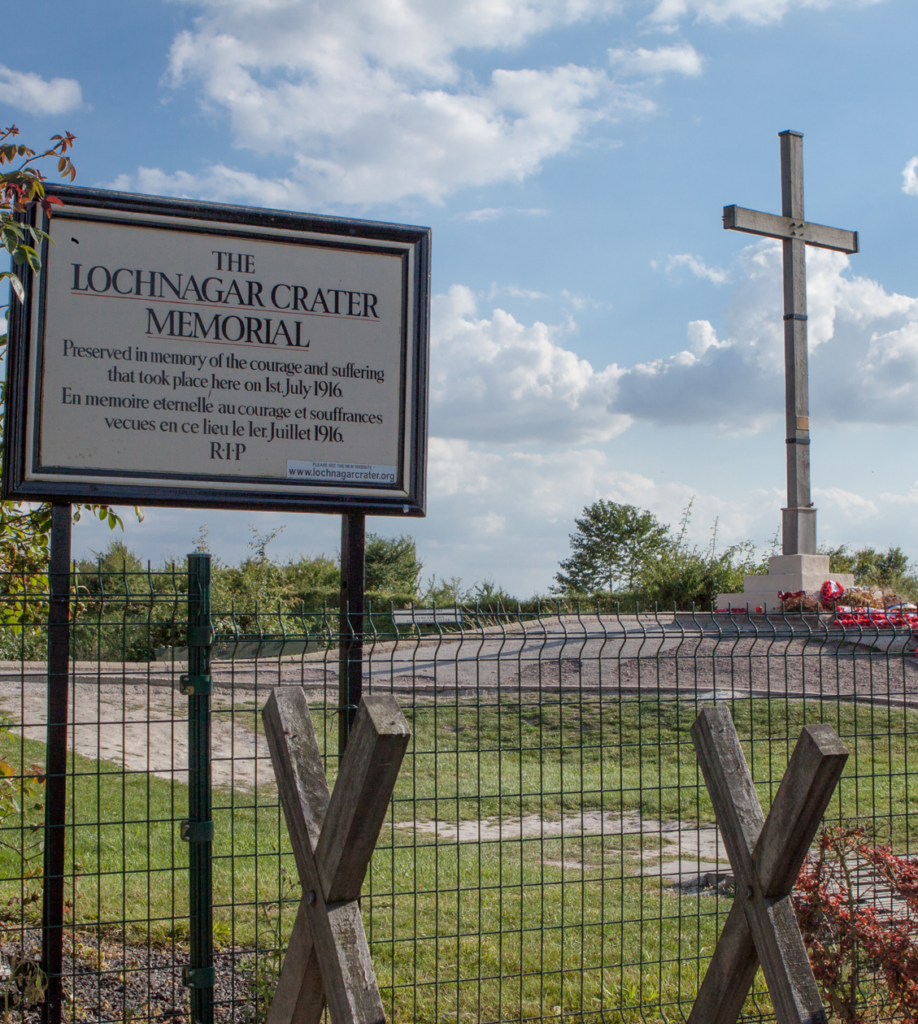
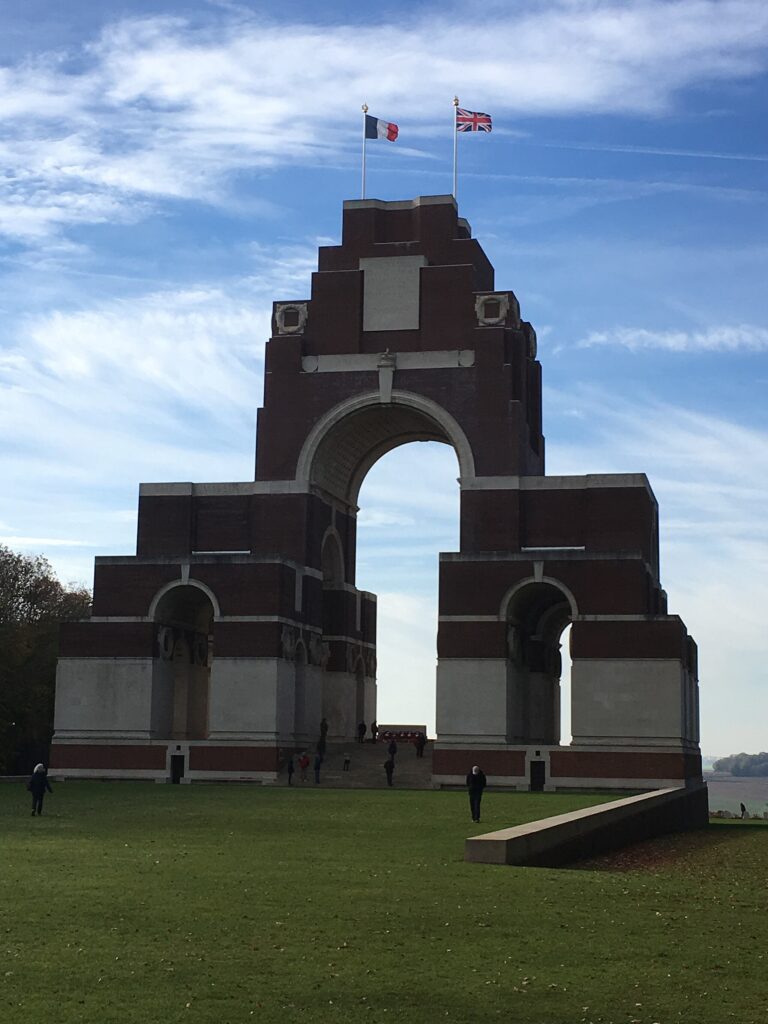
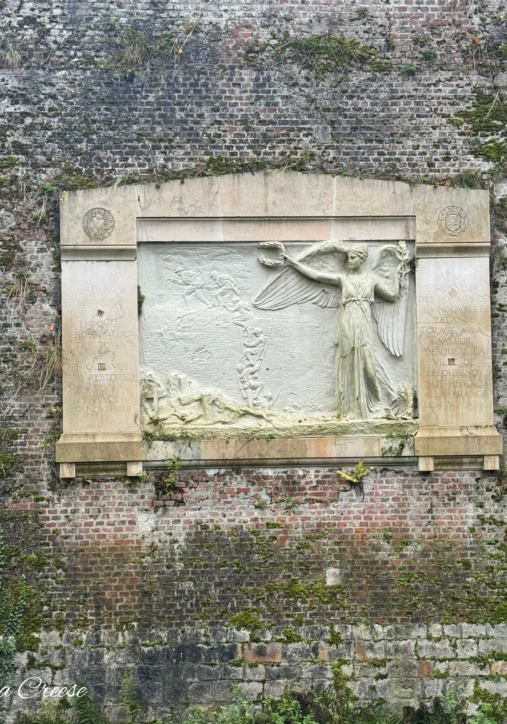
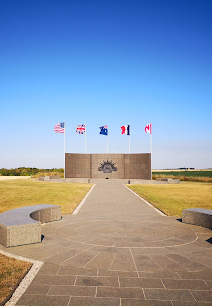
Lochnagar, on the morning of the 110th commemoration of the Somme, where the rocket is still fired and the whistles still blown. Thiepval, where more than 72,000 men have no grave but their names on the pillars. Le Quesnoy, taken with a single ladder seven days before the Armistice and without a bombardment, because the town was still full of people. And Le Hamel, where the aeroplanes flew low to cover the sound of the tanks moving up to the start line — and where we let the poems go at that same moment.
Over 7,000 children have now written poems carried by the Poetry Plane. More than 2,000 of them this year alone, from over fifty schools in twenty-seven countries — Tasmania to Pennsylvania, Invercargill to Chelmsford.
Read Airside 2 – 2026. It is free, and there is nothing to sign up to.
If You Crash Again, You’re Going Back to the Trenches
In 1962 a man sat his fourteen-year-old grandson down and told him what it had been like to go solo in 1916.
It was the only time they ever discussed his war.
The grandson was Dick Forsythe, who is now our Chief Trustee. The grandfather was Allan Churchman — later Air Commodore Churchman, but in 1916 simply another trainee at Upavon waiting his turn on the flightline.
And Dick notes what makes that single afternoon stranger still: his grandfather served in both wars. A lifetime in uniform, and one telling of it.
This is his account, as it was passed down.
What “going solo” meant in 1916
Get airborne. Fly a circuit. Land.
That was the whole of it. Add a figure of eight and you qualified for a pilot’s licence.
The trainees were lined up in column. A Warrant Officer blew a whistle and pointed at one of the Maurice Farman Longhorns, and the man at the head of the queue walked out to it. The aircraft were parked at the downwind end of the airfield so that they could take off without taxying.
The Longhorn had a conventional Renault engine, but you slowed it with a blip switch that cut a bank of cylinders. There was no throttle in the sense a modern pilot would recognise.
Eventually the whistle blew and the Warrant Officer pointed at Churchman.
The first attempt
He got in, and he took off, and all was well until the approach.
The technique was a series of swoops — blipping the power off and on to shed height and speed, which called for fine judgement, because the engine was slow to answer. The object was to arrive a foot above the ground, near the stall, and let the aeroplane land itself.
Judging height is hard until you have learned the perspective. He rounded out at about fifteen feet.
The aeroplane hit the ground and the wings came off. He was unhurt. A vehicle arrived, collected the pieces, and took them away to the Royal Aircraft Factory for repair.
He walked back to the line of waiting pilots and took his place to have another go.
The second
No better than the first.
This time the Warrant Officer beckoned him over and told him that if he crashed again he would be going back to the trenches.
The third
Fortified by a slug of the Warrant Officer’s brandy, he tried again.
He must have managed it, because he retired in 1952 as an Air Commodore.
What came after
Churchman commanded two squadrons. One of them was No. 16 Squadron, which in 1932 was flying the Armstrong Whitworth Atlas.
In 1958, No. 16 Squadron was commanded by Dick’s father, flying Canberras.
And fifty-one years after his grandfather crashed a Longhorn at Upavon, Dick flew his own first solo, in a Chipmunk at Cranwell.
Three generations. Two of them in the same squadron. The thread runs from a training aeroplane with its wings lying beside it on the grass at Upavon, to the aeroplanes we keep flying today.
He was awarded the DFC in 1918
Churchman’s Distinguished Flying Cross came in the summer of 1918, for directing artillery fire from the air — no dogfight, no burning aeroplane, just difficult work done carefully and over and over, and being useful to the men on the ground.
Within the past month (June 1918) this officer has been successful in rendering very valuable services in directing our artillery fire on enemy positions. Owing to his skill and judgement on many occasions concentration of our fire has been brought on enemy batteries with such precision that great damage was effected
The London Gazette, 2 July 1918, p. 7746
His full story is here: Lt/T/Capt Allan Churchman RAF.
Dick’s question, and it is a real one
“Have you got a family story about flying in WW1 that you would like to share?”
Churchman is on this website because his family sent him to us.
If you have a grandfather, a great-uncle, a name in a drawer with a photograph you have never been able to place — tell us about them. We would like to know.
The Poetry Plane in Action
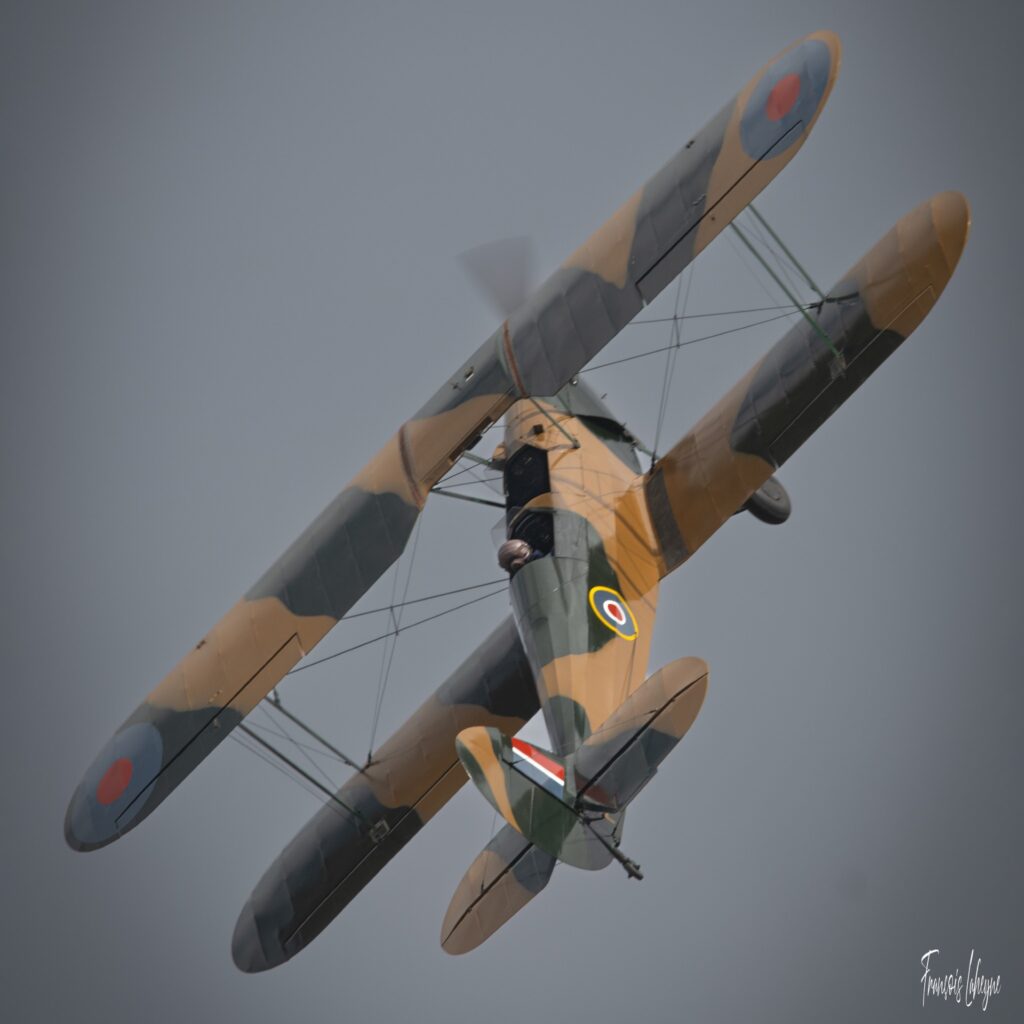
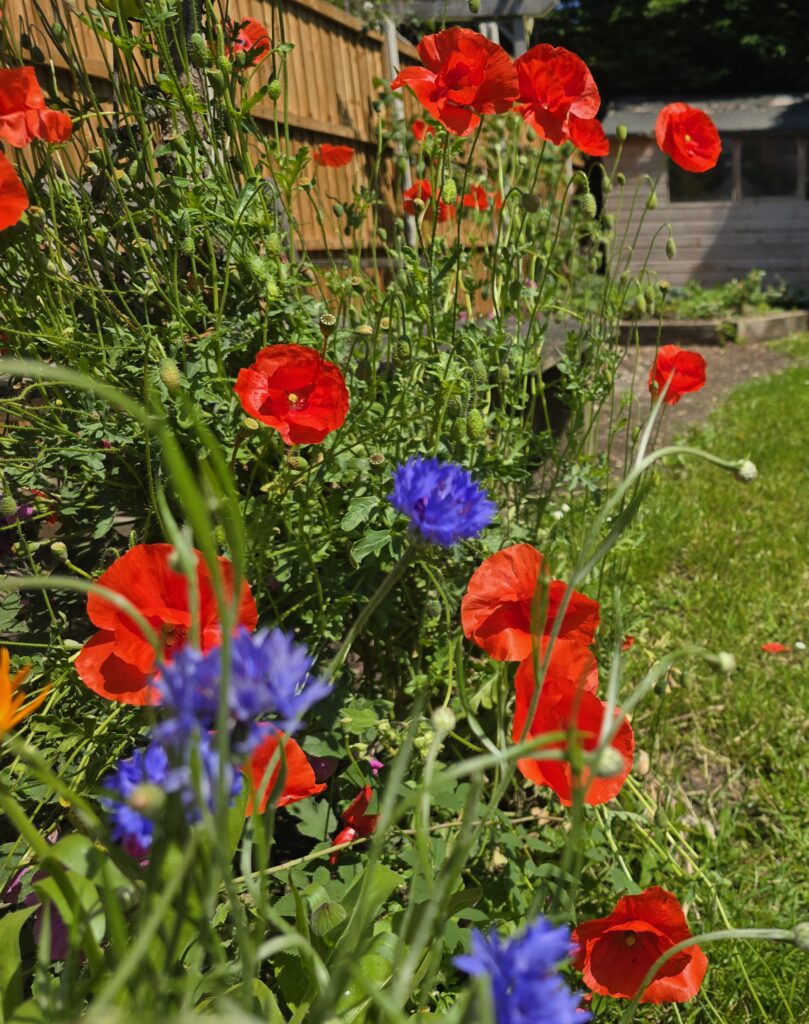
Starting on Wednesday 1 July, Vince Moisson our pilot will fly 4 sorties to drop poems over the WW1 battlefields from the Poetry Plane. The poems written by children from around the world about the sacrifice of the Great War and their hopes for the future will grow into flowers where the fallen lie.
Each Commemoration will be livestreamed on the WW1 Aviation Heritage Trust Facebook page. The events are
Lochnagar Crater 1 Jul 0728-0800.
Thiepval 1 Jul 1200-1300
Le Quesnoy Kiwi Memorial 2 Jul 1500-1530
Le Hamel Australian Corps Memorial 4 Jul 2100 – 2233
All timings local French time, UK will be 1 hour earlier.
Poetry Plane – Featured School of the Week 8 May 26
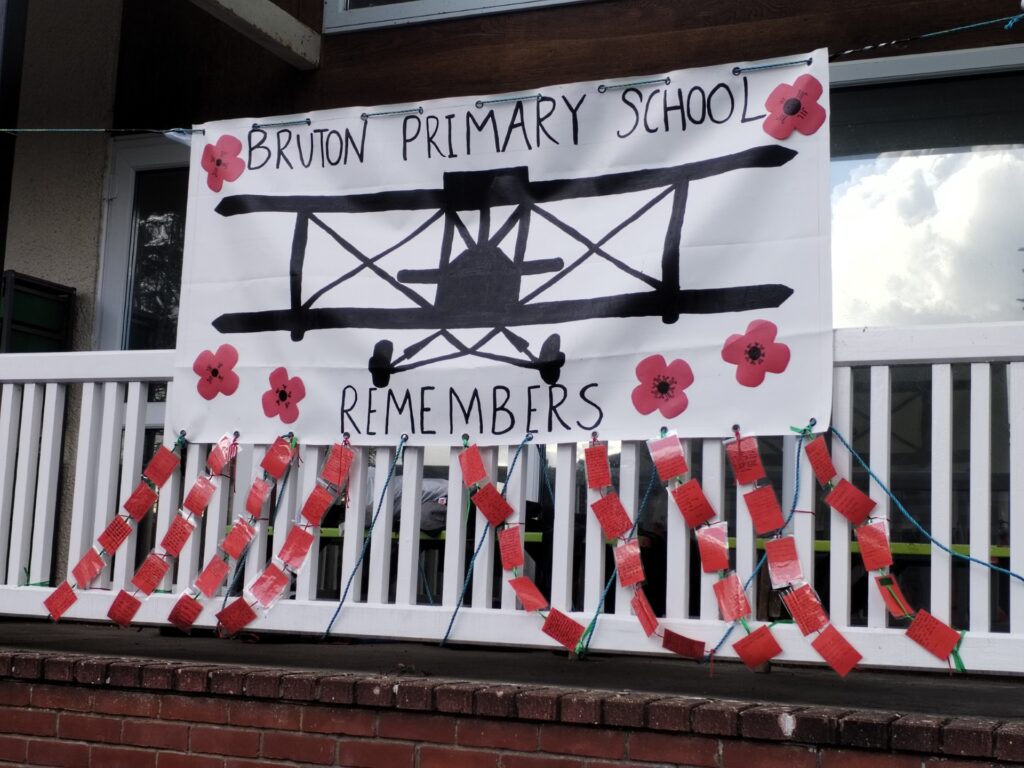
‘On our return to school in September, we had a visitor who often comes to our school, eager to share an exciting experience. During the summer he had been visiting a War Memorial in France when pieces of coloured paper started to rain from the sky. Looking up, he saw a tiger moth plane and asked one of the staff what was going on? They explained the concept behind the Poetry Plane and he was so impressed, he picked up a small number of the poems from the ground around his feet and brought them back to Somerset.
With his connection to Bruton Primary School, he knew we would be interested. Mr Fry contacted the school, highlighted your website and we took it from there.
We followed videos from the WW1 Aviation Heritage Trust (Poetry Plane Link) which had inspiring supporting videos and lesson ideas. Our Year 6 then created their own poems written on the seeded paper we ordered from the recommended provider.
As a school, we always recognise Remembrance Day and it’s importance in acknowledging part of our history and the invaluable sacrifice made by so many. Some children wrote about their hopes for a future of peace.
One of our talented staff drew a representation of a tiger moth plane and I suspended examples of the children’s poems from our verandah. The display attracted many appreciative comments from parents and passers by and we are very excited and proud to hopefully see pictures of the July 2026 drops over France as 3 of the poems will be from Bruton Primary School.
Poetry Plane 2026
Our Story
Poetry Plane 2026 honours the landscapes and legacies of the Western Front — from Lochnagar to Thiepval, from Le Quesnoy to Hamel.
Children write poems on seeded paper.
A vintage aircraft carries them across the battlefields.
The poems return to the earth and grow into flowers.
Our Mission
To renew remembrance through creativity, education, and global participation.
Our Team
A collaboration of historians, educators, pilots, volunteers, and communities.
#AboutUs #RemembranceRenewed
The Poetry Plane – WW1 Aviation Heritage Trust
Save the Date – More WW1 AHT Chat Sessions
Scout (Fighter) Development 1914-1915 – Thursday 13th October, 2022 – 1930 (UK)
£5 +VAT to learn some interesting stuff and to help keep our aeroplanes flying!
Join the WW1 Aviation Heritage Trust Pilots Jean-Michel Munn, Stu Goldspink, Jonathan Marten-Hale, Rob Gauld Galliers, and John Gilbert together with John Lanham (NZ), and David Bremner (Grandpa’s Scout) chatting in the first of 5 sessions about the development of the Scout (Fighter) aircraft in the Great War. The first session will look at the period 1914-1915 to set the baseline from the wonderful BE2, to the amazing FE2b, to the ruthless Eindecker.
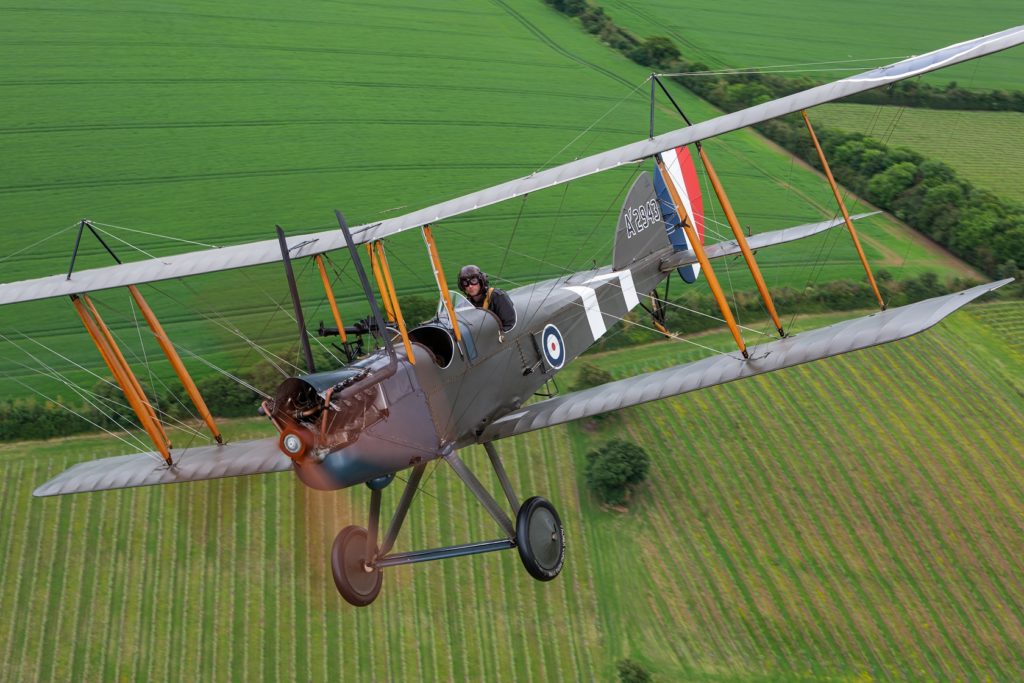
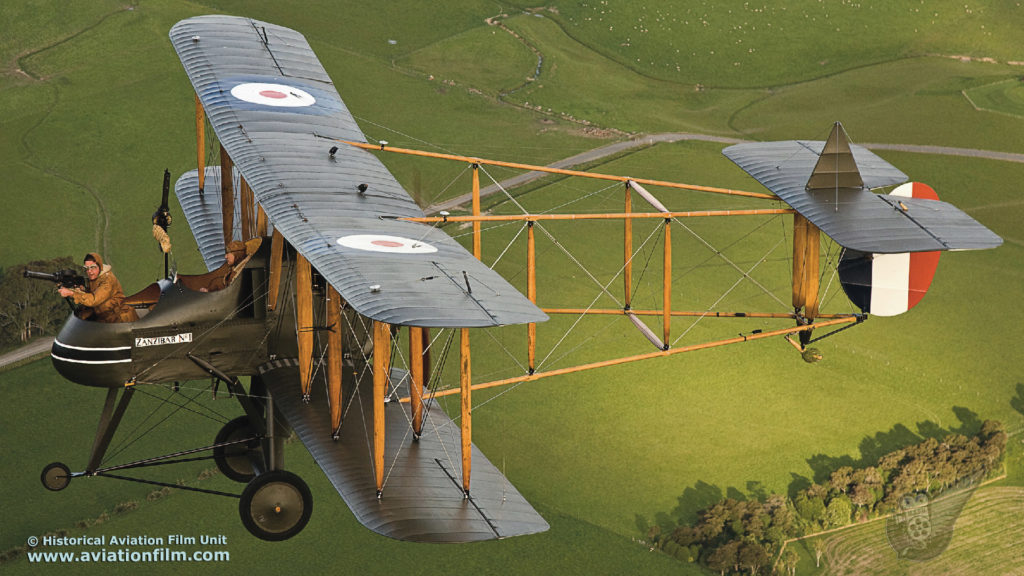
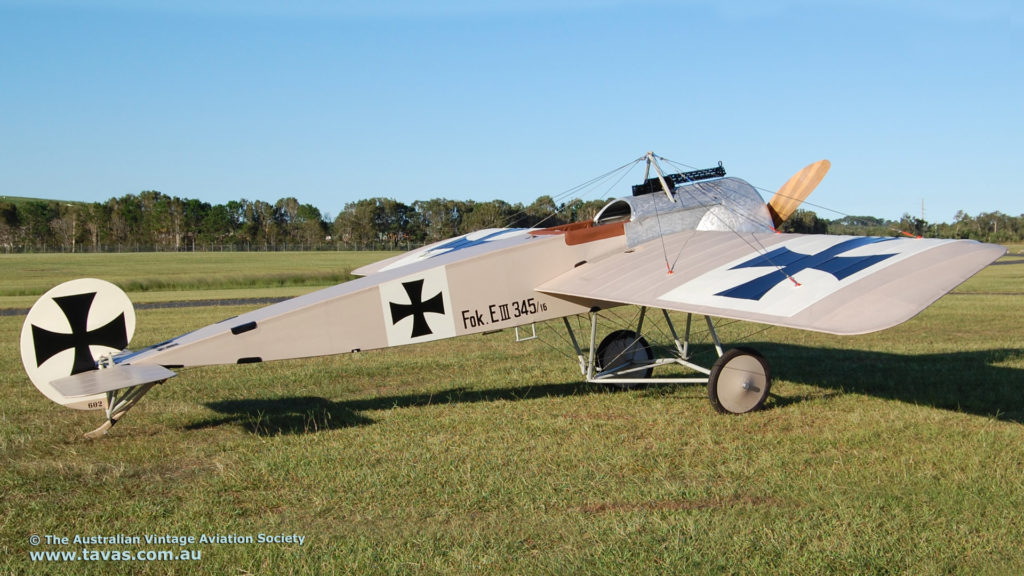
Before the Great War started military aeroplane designers had only been thinking about raising the seat of cavalry officers on reconnaissance duties to a greater height. Follow with our expert Panel, how quickly things changed in 4 short years and let them explain some of the mysteries and myths of the start of military aviation from their unique perspective of flying these aircraft today. These chats will include photos and videos of reproduction aeroplanes only found in NZ provided by the the Historic Aviation Film Unit who have been filming air shows there since 1995.
The full programme will be:
1914-1915 – BE2, MF11, Taube, AGO C1, Bristol Scout, FE2b, Eindecker, N11.
1916 – Nieuport 11 Baby, DH2, Albatros DII, BE2e [Night Fighter], Sopwith Pup
1917 – SE5a, Albatros Dva, Hanriot D1, Sopwith Camel, Bristol Fighter,
1918 – Nieuport 28, Fokker DR1, Fokker DVII, Sopwith Snipe, Fokker DVIII.
1918 – What Had They Learnt By the End of the War,
Boy! Did We Have Fun!
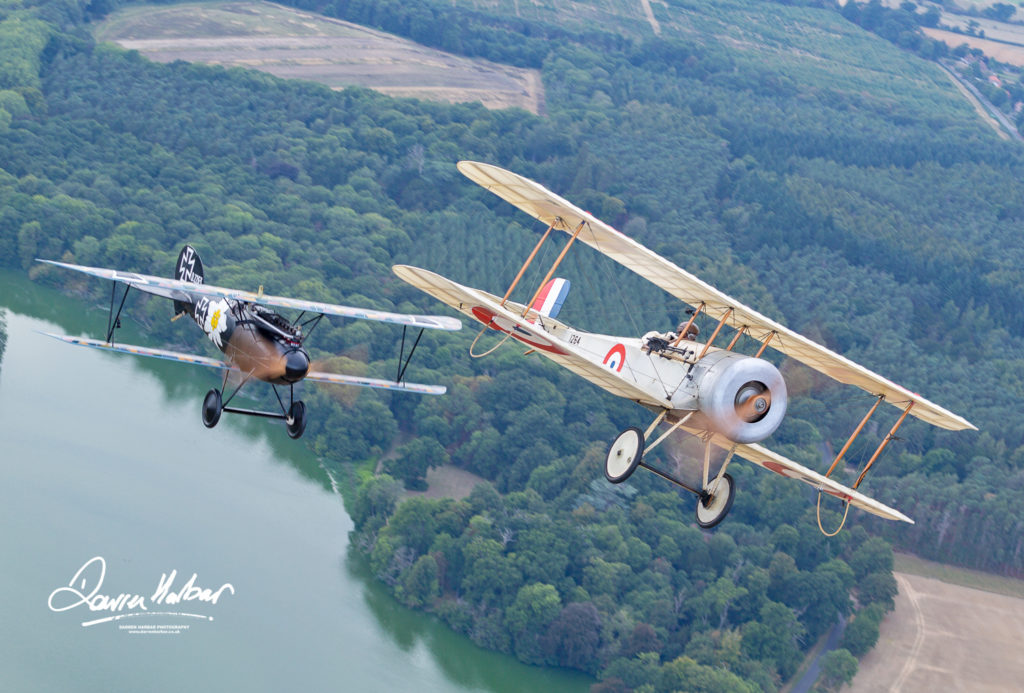
On the Saturday night before the Vintage Air Show at Shuttleworth on 4th Sep 22 two iconic WW1 aeroplanes got airborne for a bit of air-to-air photography – the WW1 Aviation Heritage Trust’s dark and forbidding Albatros DVa in the black livery of Lt Otto Kissinberth and David Bremner in his grandfather’s Scout. With the Scout’s max speed just above the Albatros stalling speed and the camera Cub with very little overtake with Darren Harbar hanging out of it to get these photos, a challenging time was had by all.
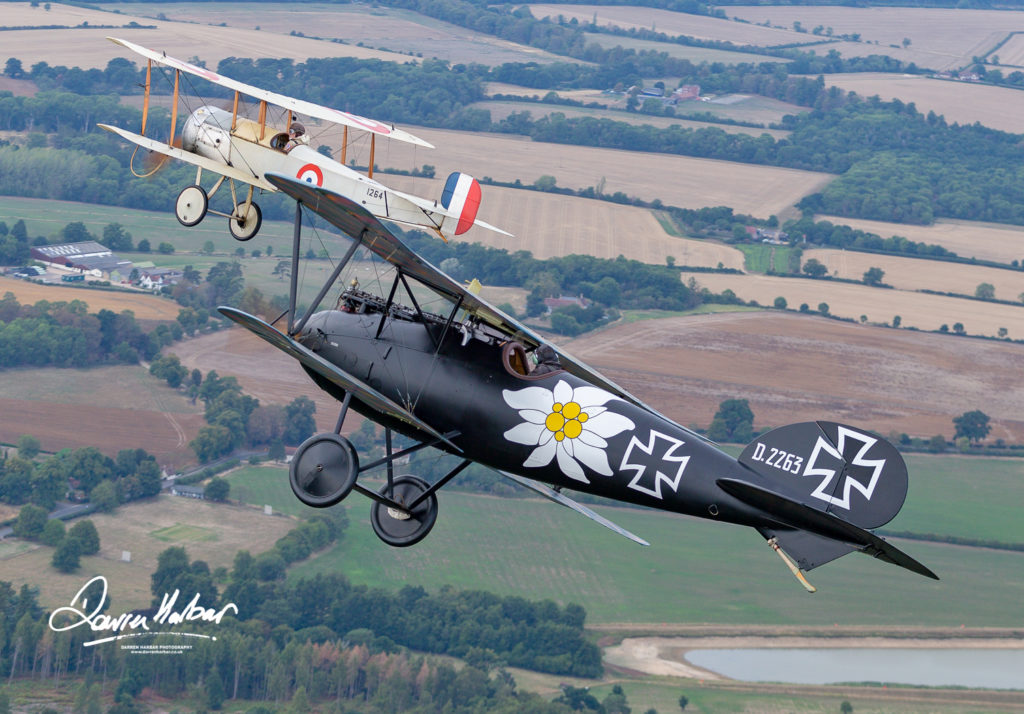
.
Did You Miss It? Find out What Makes the Albatros Tick
Our chat session about the Albatros is now available to watch at your leisure.
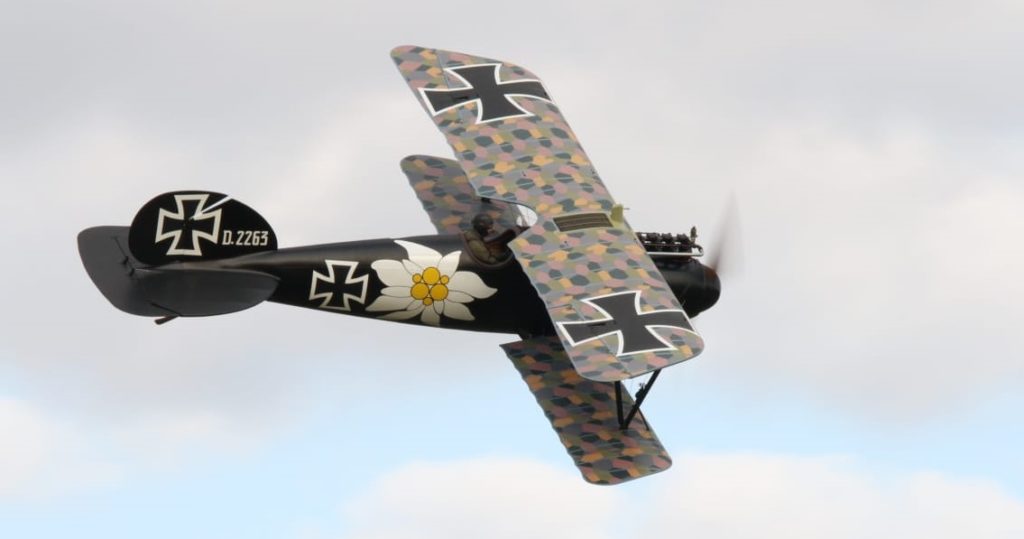
Albatros G-WAHT displays at Stow Maries
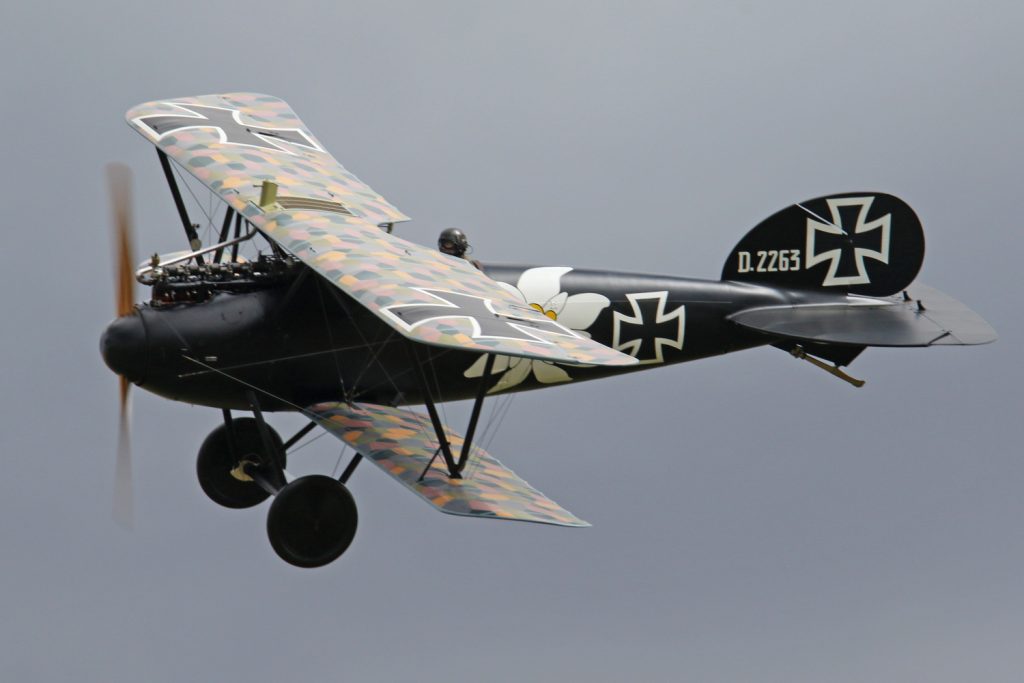
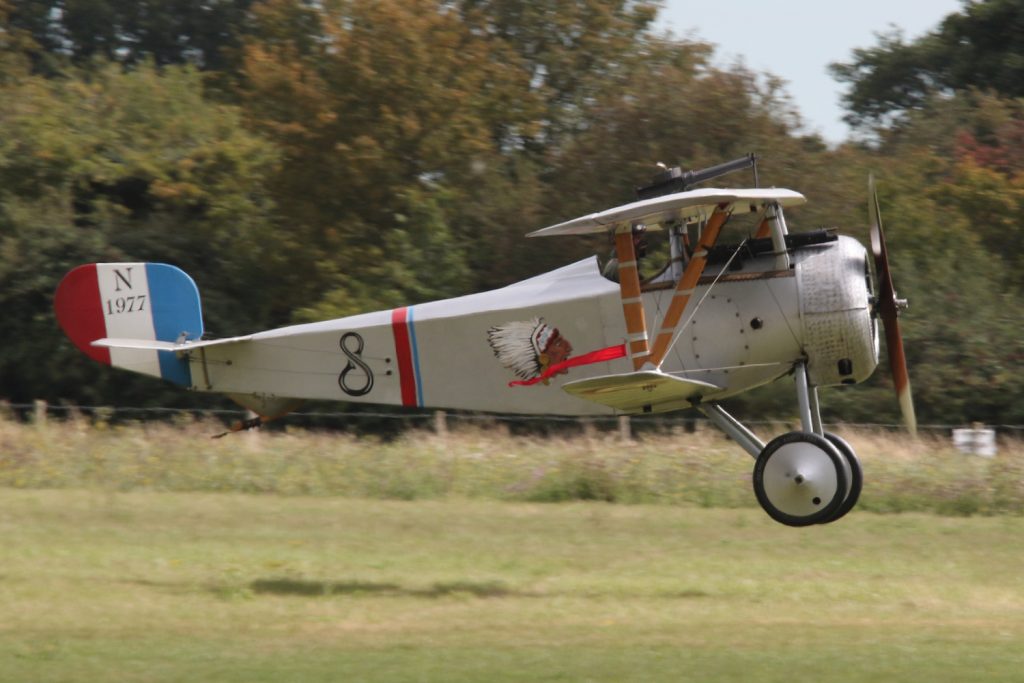
On a beautiful day last Sunday (6th Sep 20), with still winds and an occasionally threatening sky, the WW1 Aviation Heritage Trust’s black Albatros Dva in the colours of Bavarian Otto Kissinberth finally got to display in front of an appreciative crowd at Stow Maries Wing and Wheels air show. Rubbing shoulders and displaying with WW1 AHT’s Nieuport 17, the two aircraft provided the sight and sound of combat over Northern France as the scene setter for an air pageant that included a Fox Moth, the Tiger 9, and Stampe, formation teams as well as a red Mew Gull.
The Albatros arrived in England from the TVAL stable in NZ. It was re-assembled at Old Warden and spent most of 2019 being modified to meet the exacting LAA requirements for a Permit to Fly on the UK register. It arrived at Stow Maries at the end of last season. With the pandemic it is only now that we have been able to demonstrate why it was built in such large numbers for the German Air Service with its good rate of climb from its 180hp Mercedes Benz engine and its dual belt machine guns firing forward through the propeller
Photos with thanks from Terry Dann
Fokker DVII – Update 3-5 Fuel and Oil Tanks
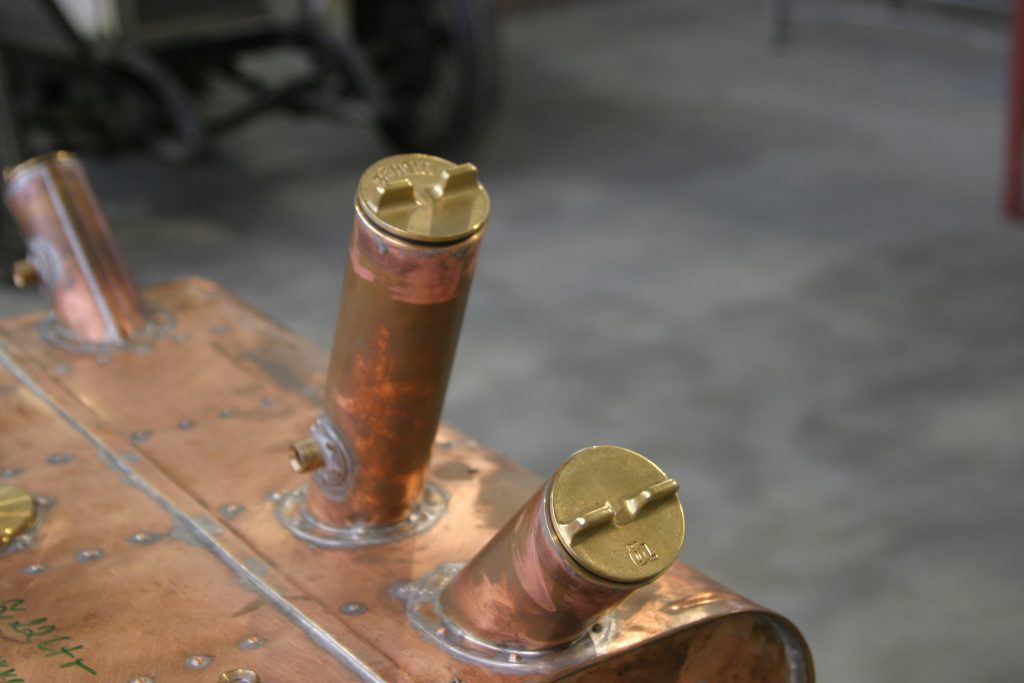
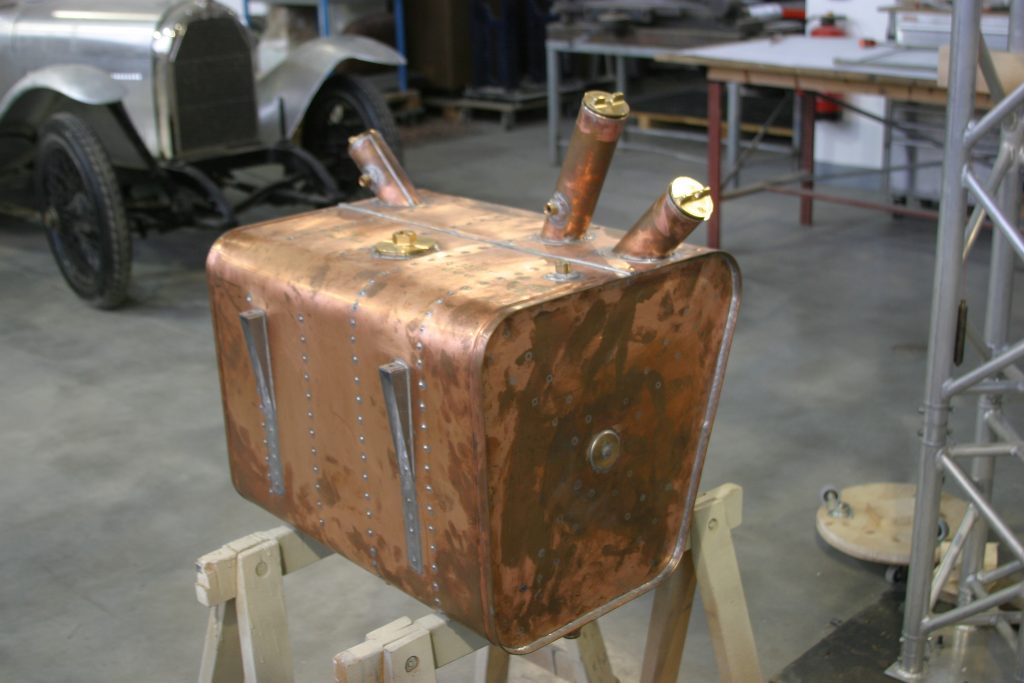
This was placed behind the engine and inconveniently in front of the pilot directly under the ammunition boxes. This lead to several cases of self-destruction in the hot summer of 18 as the phosphorus ammunition used as tracers/anti balloon ammunition self-ignited burning through the boxes and the tank with a subsequent unwelcome pyrotechnic display. Only when a German pilot managed to luckily avoid the full catastrophe counter measures were taken.
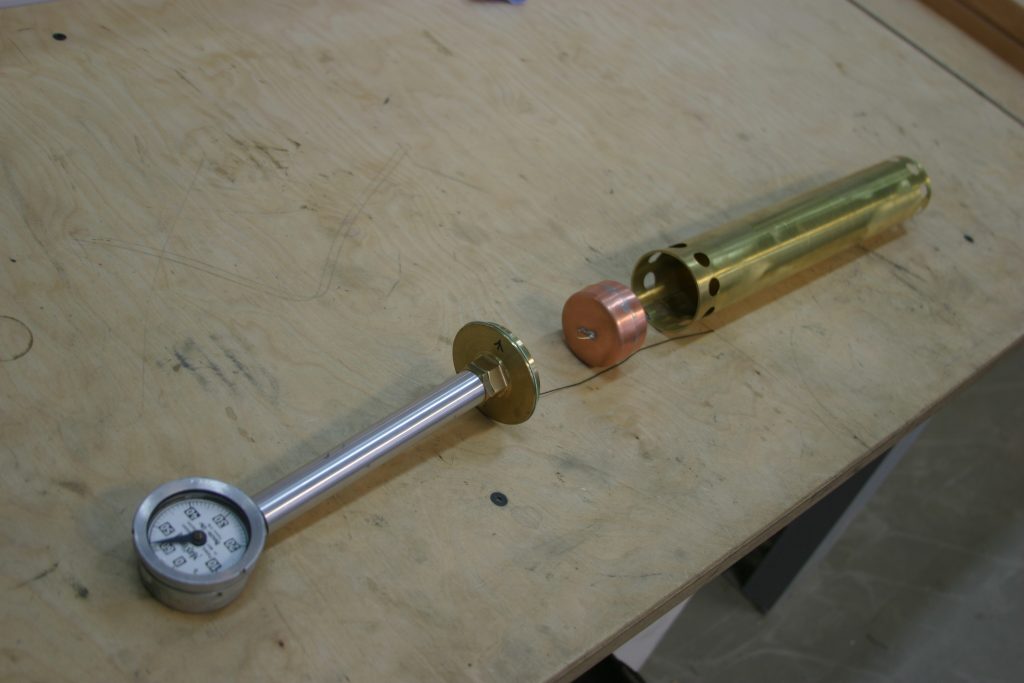
In the show and tell about the fuel gauge I have referred to a float mechanism which is also presented here. The gauge is an original Fokker DVII Maximall fuel gauge and you can clearly see the idea behind the mechanism in the picture. The float is set up in a tube and connected to the gauge indicator with a piece of string. Needless, to say inverted flying or actually anything but level flight might just give you a somewhat unreliable reading.