
The Story of Air Power
Air Evolution
How aviation evolved through the Great War — told year by year, theme by theme.
With thanks to Ray Rimell
The Story of the Evolution of Military Aviation

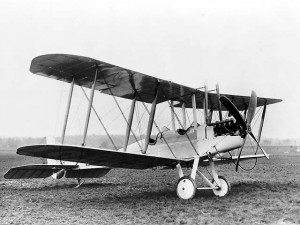
When the British Expeditionary Force deployed to France in August 1914, the Royal Flying Corps contingent comprised four squadrons equipped with a mixed complement of over 40 machines. It took three days for them all to cross the English Channel – a mere six years after Louis Blériot’s first historic flight. By the end of ‘The Great War’, there were over 22,000 Royal Air Force aeroplanes serving with 188 squadrons. The pace of the war had seen aircraft of all combatants develop from frail ‘spotters’ to high performance fighters and enormous multi-engined long-range bombers. The pilots, their training, and the leap in technical breakthroughs (such as the forward-firing synchronised machine gun) all led to rapid evolution of tactics and competing technologies that influenced the ebb and flow for control in the air between the Allies and the Central Powers. This continual development and counter-development, when combined with the courage and determination of fliers from all nations, provides the thrust of a truly remarkable story which unfolds in each year of the Great War Centenary…

If you would like to share the story of a relative from the Great War, we would be glad to hear it. Send us your family story.
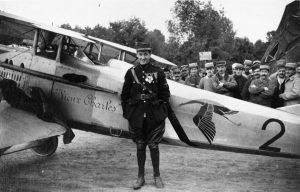
The French Aces
Read chapter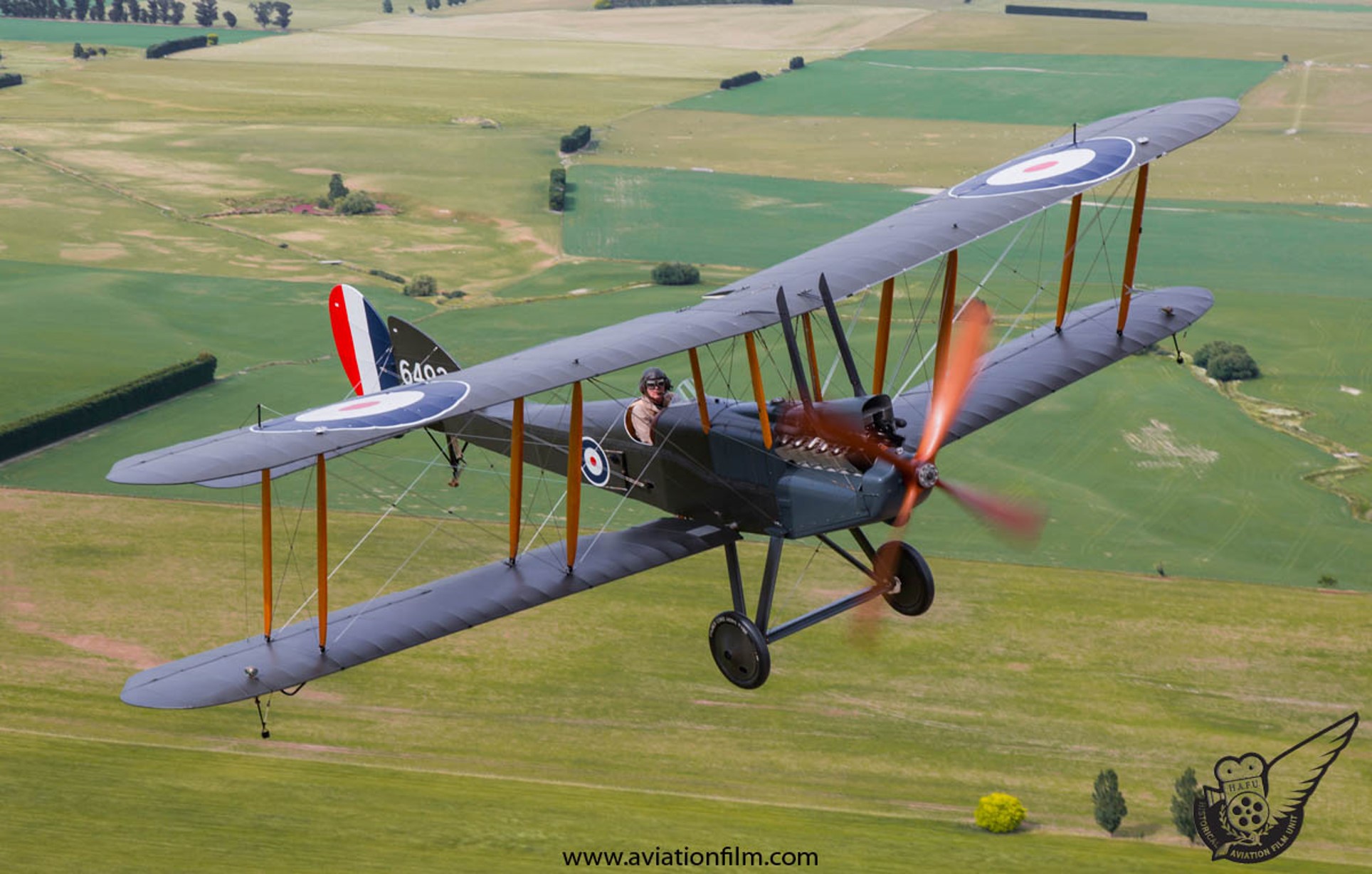
Production Delays
Read chapter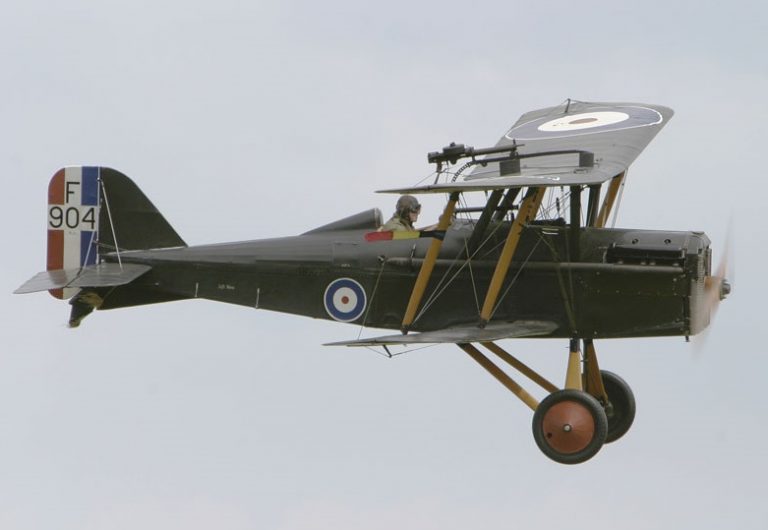
New Aircraft at Last
Read chapter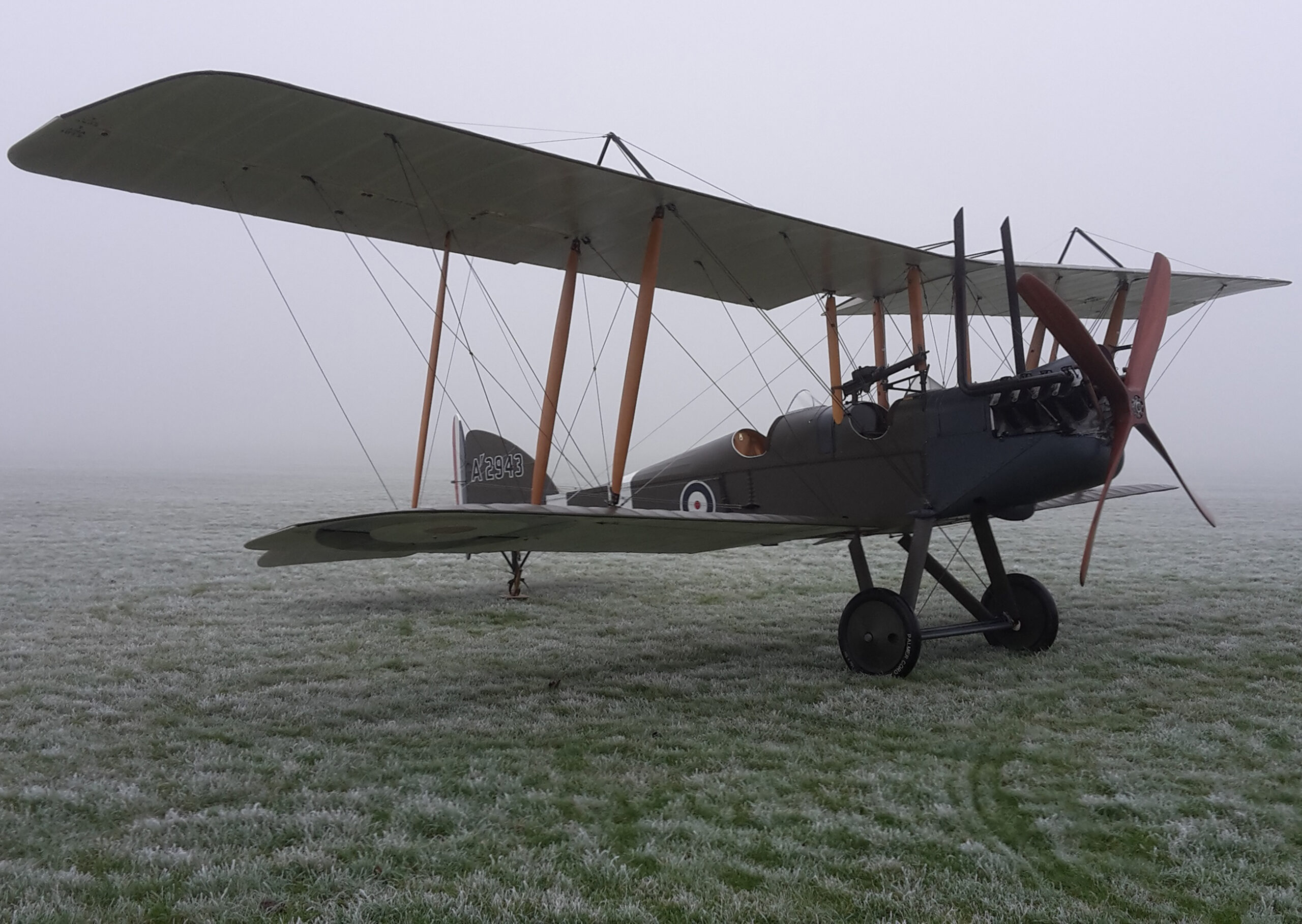
Bloody April
Read chapter
Battle of Arras
Read chapter
archive image
Lieutenant W Leefe Robinson VC RFC
“For most conspicuous bravery. He attacked an enemy airship under circumstances of great difficulty and danger, and sent it crashing to the…
Read chapter
archive image
Group Captain Lionel Rees VC OBE MC AFC RAF
Lionel Rees had an amazing career fighting in both Wars and ending up in the Bahamas where he died in 1955. He…
Read chapter
archive image
Vice Admiral Bell Davies VC, CB,DSO, AFC
The King has been graciously pleased to approve of the grant of the Victoria Cross to Squadron-Commander Richard Bell Davies, D.S.O., R.N.,…
Read chapter
archive image
2nd Lieutenant GSM Insall VC RFC
For most conspicuous bravery, skill and determination, on 7th November, 1915, in France. He was patrolling in a Vickers Fighting Machine, with…
Read chapter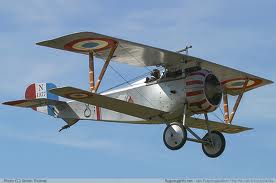
Outgunned
Read chapter
Hawker
Lanoe Hawker was a remarkable individual, inspiring leader, and a tireless innovator. It is hard to believe that he spent all but…
Read chapter
Boelcke
Read chapter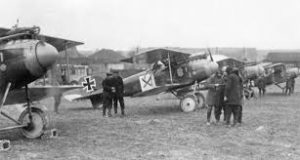
The Technology Wheel Turns
Read chapter
The End of the Fokker Scourge
Read chapter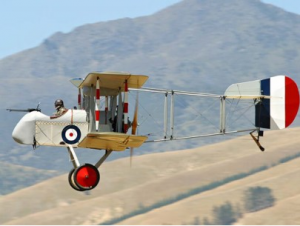
Salvation – DH2 and FE2b
Read chapter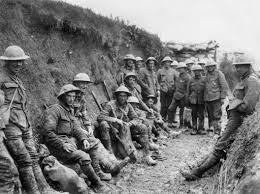
Somme July/November 1916
Read chapter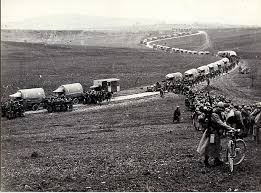
Verdun
Read chapter
archive image
Flt Sub Lt Rex Warneford VC RNAS
Flt Sub Lt ‘Rex’ Warneford left Furnes at 1:00 am on 7th June 1915 on Morane No. 3253 under orders to look for…
Read chapter
archive image
2nd Lt William Rhodes-Moorhouse VC
The War Illustrated, 10 July 1915. Public domain, via Wikimedia Commons. “For most conspicuous bravery on 26th April, 1915, in flying to…
Read chapter
Capt. John Aidan Liddell VC
Aidan Liddell obtained his Royal Aero Club Ticket (No. 781) in the spring of 1914 flying the Boxkite with the Vickers School…
Read chapter
Immelmann
Read chapter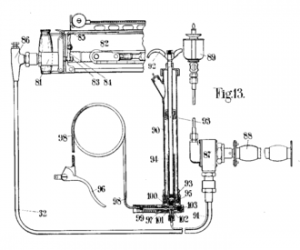
Interruptors
Read chapter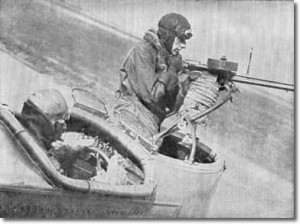
The Machine Gun
Read chapter
Zeppelins
Read chapter
First Aerial Victory
Read chapter